

Cadmium (Cd) and water
Cadmium (Cd) and water: occurrence, chemistry and treatment
Cadmium is a toxic metal that can enter water from natural deposits, industrial activity and corrosion of some plumbing materials. It is usually present at low concentrations in drinking water, but local contamination can raise levels. The dissolved fraction and treatment performance depend on pH, hardness, dissolved organic matter and other ions.
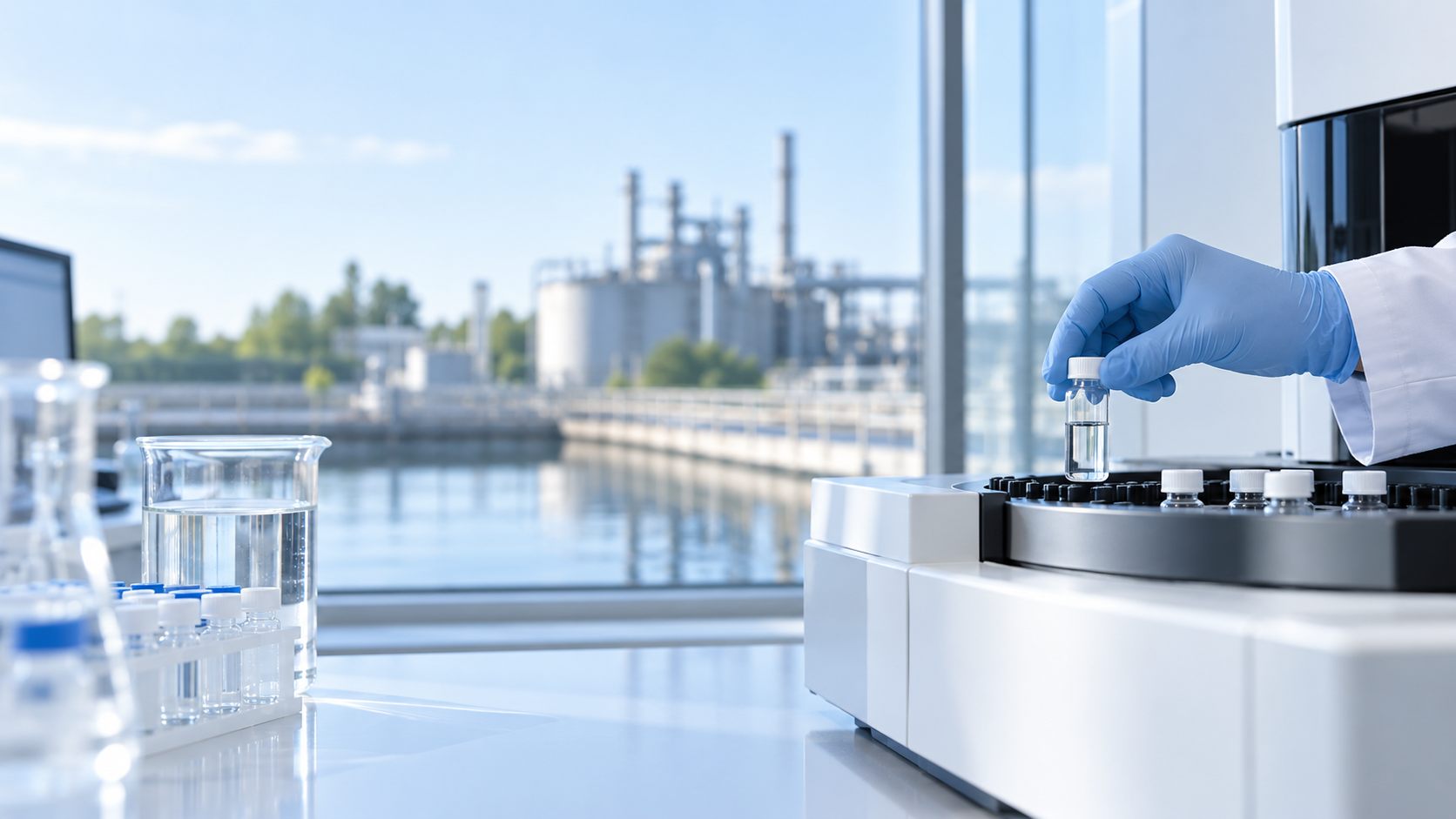
How does cadmium enter water?
Cadmium occurs naturally in mineral deposits, commonly alongside zinc and lead ores. Weathering can release small amounts to water. Mining, smelting, metal finishing, battery manufacture and other industrial activities may add cadmium to wastewater or runoff. The World Health Organization also identifies impurities in zinc used in galvanized pipes, solders and some metal fittings as a possible drinking-water source.
Food is generally the main source of cadmium exposure for the population, but drinking water can matter where source water is contaminated or cadmium is released from plumbing. Concentrations in tap water may vary between locations in a building and with stagnation time, so sampling should follow the relevant regulatory protocol.
Cadmium in water and solubility
In water, cadmium is mainly found as Cd2+ and dissolved complexes, or associated with particles. At lower pH, more cadmium may remain dissolved; at higher pH, adsorption to solids or precipitation can become more important. Chloride, carbonate, hardness and dissolved organic matter also affect cadmium's chemical form and mobility.
Cadmium is not destroyed by conventional treatment. Processes that remove it from water transfer it to sludge, spent media or a concentrate that must be handled appropriately.
Health and environmental considerations
Long-term cadmium exposure can damage the kidneys and affect bones. Cadmium is also toxic to aquatic organisms; the degree of risk depends on concentration, hardness, dissolved organic matter and other receiving-water conditions.
WHO's drinking-water guideline value for cadmium is 0.003 mg/L (3 µg/L). The U.S. EPA maximum contaminant level is 0.005 mg/L (5 µg/L). These values belong to different regulatory systems and should not be treated as interchangeable universal limits. Apply the current standard for the relevant country and water use.
How can cadmium be removed from water?
Treatment selection depends on the target concentration, cadmium speciation and co-occurring constituents. WHO notes that a concentration of 0.002 mg/L should be achievable with coagulation or precipitation softening under suitable conditions. Other options for dissolved cadmium can include chemical precipitation with solids separation, ion exchange, adsorption media or reverse osmosis. pH adjustment and pretreatment may be important, and a water analysis or pilot test should confirm performance.
Where plumbing is the source, investigate corrosion and material compatibility as well as the treatment plant. Point-of-entry or point-of-use equipment should be selected for the actual water chemistry and maintained so the treated water continues to meet the applicable standard.
Read more about heavy metal removal, ion exchange and reverse osmosis.
Last reviewed: 31 October 2026 by Lenntech.
Sources and further reading
- World Health Organization: Cadmium — chemical fact sheet for drinking-water.
- U.S. Environmental Protection Agency: National Primary Drinking Water Regulations.
- U.S. Geological Survey: Groundwater quality in principal aquifers.
Read more about elements and their interaction with water.