

Tungsten - W
Tungsten — chemical properties and water context
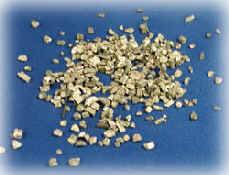
Tungsten is a dense, silvery transition metal with the highest melting point of all metals. Water-treatment relevance is greatest for mining, refining and industrial wastewater streams that contain dissolved tungstate or tungsten-bearing particles.
| Atomic number | 74 |
|---|---|
| Standard atomic weight | 183.84 g/mol |
| Density | 19.3 g/cm3 |
| Melting point | 3414 °C |
| Boiling point | 5555 °C |
| Electron configuration | [Xe] 4f14 5d4 6s2 |
Chemical properties
Tungsten is in Group 6 and Period 6. In oxygenated water, tungsten commonly occurs as tungsten(VI) oxyanions, including tungstate species; the exact speciation depends on pH and solution composition. The bulk metal is resistant to many forms of chemical attack, but its compounds have distinct aqueous behaviour.
Uses and applications
Tungsten is used in hard metals and alloys, electrical contacts, heating elements and other high-temperature applications. Tungsten ores include wolframite and scheelite. Mining and refining operations can generate liquid streams that require separation of tungsten from other dissolved metals and salts.
Tungsten in water treatment
Ion exchange is used in commercial tungsten mining and refining, including for tungsten removal from acidic feed streams. In other waters, the best approach depends on tungsten speciation, pH, salinity and competing ions. Characterize the stream and assess residuals and regeneration wastes as part of process selection; treatment performance should be confirmed for the specific matrix.
Environmental and health context
Tungsten may enter water from natural mineral weathering or industrial activities such as mining and processing. Its dissolved and particulate forms can behave differently, so monitoring should identify both where relevant and include associated metals and major ions.
Back to the periodic table of elements
Sources and further reading
- CIAAW: Standard atomic weights
- Royal Society of Chemistry: Tungsten properties and uses
- DuPont: Tungsten separation from liquid media
Tungsten — chemical properties and water context page last reviewed: by Lenntech.