

Antimony - Sb
| Atomic number | 51 |
|---|---|
| Group / period / block | 15 / 5 / p |
| Relative atomic mass | 121.760 |
| Density at 20 °C | 6.68 g/cm3 |
| Melting point | 630.628 °C |
| Boiling point | 1587 °C |
| Electron configuration | [Kr] 4d10 5s2 5p3 |
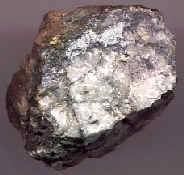
Antimony
Antimony is a hard, brittle metalloid. It is used in some semiconductor devices, metal alloys and flame-retardant materials. Antimony and many antimony compounds are toxic, so exposures and releases require appropriate control.
In water, the two important inorganic forms are antimonite, Sb(III), and antimonate, Sb(V). Their relative proportions depend in part on redox conditions, and the species present can affect both analysis and removal.
Antimony in water treatment
Water-treatment context: Technologies used to reduce antimony in drinking water include ferric-based coagulation, adsorptive media and reverse osmosis. Their performance depends on antimony species, pH and competing constituents. Source-water characterization and bench or pilot testing help determine the appropriate process conditions.
Elemental substances and dissolved or gaseous species behave differently in water. Water chemistry and the exact chemical form must be considered when assessing treatment.
Back to the periodic table of elements
Sources and further reading
Antimony page last reviewed: by Lenntech.