

Plutonium - Pu
Plutonium (Pu)
Plutonium is a radioactive actinide produced mainly through nuclear reactions. Several isotopes exist, with different half-lives and radiation characteristics; plutonium-239 is an important isotope in nuclear fuel-cycle materials.
| Atomic number | 94 |
|---|---|
| Representative isotope mass number | [244] (representative isotope mass number) |
| Electron configuration | [Rn] 5f6 7s2 |
| Density | 19.7 (reported) g/cm3 |
| Melting point | 640 °C |
| Boiling point | 3228 °C |
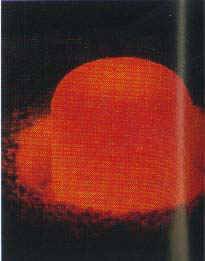
Uses and applications
Plutonium-238 has been used as a heat source for radioisotope power systems on some space missions. Other plutonium isotopes have specialised roles in nuclear research and energy systems. All require stringent radiological and criticality controls.
Plutonium and water management
Plutonium is not a water-treatment chemical. In a water or waste stream associated with nuclear operations, its isotope composition, chemical form, and activity must be assessed by qualified radiological programmes; treatment residuals also require controlled management.
Occurrence and environmental context
Plutonium is an actinide, and its occurrence and environmental behaviour depend on isotope, chemical form, and source. Natural geology, mineral processing, and nuclear-related activities can each affect whether an actinide is present in a water or waste stream. Monitoring should distinguish chemical concentration from radioactive activity where relevant.
Health and safety
Plutonium requires careful handling because of its radioactive properties; for some elements, chemical toxicity is also relevant. Exposure depends on isotope, activity, chemical form, and route. Follow applicable radiation-protection procedures and substance-specific safety information.
Back to the periodic table of elements
Sources and further reading
Element page last reviewed: 24 October 2026 by Lenntech.