|
Chlorine
Chlorine is one of the most commonly used disinfectants for water disinfection. Chlorine can be applied for the deactivation of most microorganisms and it is relatively cheap.
When was chlorine discovered?
Chlorine gas was presumably discovered in the thirteenth century. Chlorine (Cl2) was first prepared in pure form by the Swedish chemist Carl Wilhelm Scheele in 1774. Scheele heated brown stone (manganese dioxide; MnO2) with hydrochloric acid (HCl). When these substances are heated the bonds are broken, causing manganese chloride (MnCl2), water (H2O) and chlorine gas (Cl2) to form.
Reaction mechanism:
MnO2 + 4HCl -> MnCl2 + Cl2 + 2H2O
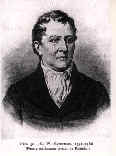
Figure 1: Carl Wilhelm Scheele discovered chlorine in 1774
Scheele discovered that chlorine gas was water-soluble and that it could be used to bleach paper, vegetables and flowers. It also reacted with metals and metal oxides. In 1810 sir Humphry Davy, an English chemist who tested fundamental reations of chlorine gas, discovered that the gas Scheele found must be an element, given that the gas was inseperable. He named the gas ‘chlorine’ (Cl), after the Greek word ‘chloros’, which means yellow-greenish and refers to the color of chlorine gas (White, 1999. Watt, 2002)
Where can chlorine be found?
Chlorine can be found on many different locations all over the world. Chlorine is always found in compounds, because it is a very reactive element. Chlorine can usually be found bond to sodium (Na), or in kitchen salt (sodium chloride; NaCl). Most chlorine can be found dissolved in seas and salty lakes. Large quantities of chlorine can be found in the ground as rock salts or halite.
The properties of chlorine
Chlorine (Cl2) is one of the most reactive elements; it easily binds to other elements. In the periodic chart chlorine can be found among the halogens. Other halogens are fluorine (F), bromine (Br), iodene (I) and astatine (At). All halogens react with other elements in the same way and can form a large quantity of substances. Halogens often react with metals to form soluble salts.
Chlorine atoms contain 17 negative electrons (negatively charged particles). These move around the heavy core of the atom in three shells. Within the inner shell there are two electrons, within the middle shell there are eight and within the outer shell there are seven. In the outer shell there is space left for another electron. This causes free, charged atoms, called ions, to form. It can also cause an extra eletron to form (a covalent bond; a chlorine bond), causing the outer shell to complete.
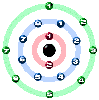
Figure 2: chlorine atoms contain 17 electrons
Chlorine can form very stable substances, such as kitchen salt (NaCl). Chlorine can also form very reactive products, such as hydrogen chloride (HCl). When hydrogen chloride dissolves in water it becomes hydrochloric acid. The hydrogen atom gives off one electron to the chlorine atom, causing hydrogen and chlorine ions to form. These ions react with any kind of substance they come in contact with, even metals that are corrosion resistant under normal circumstances. Concentrated hydrochloric acid can even corrode stainless steel. This is why it is stored either in glass or in plastic.
How is chlorine transported?
Chlorine is a very reactive and corrosive gas. When it is transported, stored or used, safety precautions must be taken. In Holland for example, chlorine is transported in separate chlorine trains.
How can chlorine be stored?
Watery chlorine should be protected from sunlight. Chlorine is broken down under the influence of sunlight. UV radiation in sunlight provides energy which aids the break-down of underchloric acid (HOCl) molecules. First, the water molecule (H2O) is broken down, causing electrons to be released which reduce the chlorine atom of underchloric acid to chloride (Cl-). During this reaction an oxygen atom is released, which will be converted into an oxygen molecule:
2HOCl -> 2H+ + 2Cl- + O2
How is chlorine produced?
Chlorine is produced from chlorine bonds by means of electrolytic or chemical oxidation. This is often attained by electrolysis of seawater or rock salt. The salts are dissolved in water, forming brine. Brine can conduct a powerful direct current in an electolytic cell. Because of this current chlorine ions (which originate from salt dissolving in water) are transformed to chlorine atoms. Salt and water are divided up in sodium hydroxide (NaOH) and hydrogen gas (H2) on the cathode and chlorine gas on the anode. These cathode and anode products should be separated, because hydrogen gas reacts with chlorine gas very agressively.
Which methods can be used to produce chlorine?
To produce chlorine, three different electrolysis methods are used.
1. The diaphragm cell-method, which prevents products to mix or react by means of a diaphragm. The electrolysis barrel contains a positive pole, made of titanium and a negative pole, made of steel. The electrodes are separated by a so-called diaphragm, which is a wall that only lets fluids flow through, causing gasses that form during a reaction to be separated. The application of the countercurrent principle prevents hydroxide ions from reaching the positive pole. However, chlorine ions can pass through the diaphragm, causing the sodium hydroxide to become slightly polluted with chlorine. This causes the following reactions to take place:
+ pole : 2Cl- -> Cl2 + 2e-
- pole : 2 H2O + 2 e- -> 2OH- + H2
2. The mercury cell-methode uses one mercury electrode, causing the reaction products to be purer than those of the diaphragm cell-methode. With this method an electrolysis barrel is used which contains a positive titanium pole and a negative flowing mercury pole. On the negative pole a reaction with sodium (Na+) takes place, causing sodium amalgams to be formed. When the amalgams flow through a second reaction barrel, sodium reacts with water to sodium hydroxide and hydrogen. This causes the hydrogen gas to remain separated from the chlorine gas, which is formed on the positive pole.
Within the electrolysis barrel the following reactions take place:
+ pole : 2 Cl- -> Cl2 + 2e-
- pole : Na+ + e- -> Na
second reaction barrel: 2Na + 2H2O -> 2 Na+ + 2OH- + H2
3. The membrane-method resembles the diaphragm method. The only difference is that the membrane only allows positive ions to pass, causing a relatively pure form of sodium hydroxide to form.
During the mercury electrolysis process a solution containing 50 mass-% of sodium hydroxide is formed. However, during the membrane and diaphragm processes the solution must be evaporated using steam.
Sixty percent of the European chlorine production takes place by means of mercury electrolysis, whereass 20% takes place in the diaphragm process and 20% takes place in the membrane process.
Chlorine can also be produced by means of hydrogen chloride oxidation with oxygen from air. Copper(II)chloride (CuCl2) is used as a cathalyser during this so-called ‘Deaconprocess’:
4HCl + O2 -> 2H2O + 2Cl2
Finally, chlorine can be produced by means of molten salts electrolysis and, mainly in laboratories, by means of hydrochloric acid and manganese dioxide oxidation:
MnO2 + 4HCl -> MnCl2 + 2H2O + Cl2
When gaseous chlorine is added to water the following hydrolysis reaction takes place:
Cl2 + H2O = H+ + Cl- + HOCl
Chlorine applications
Chlorine is applied on a massive scale. Chlorine is a very reactive element, causing it to quickly form compounds with other substances. Chlorine also has the ability to develop a bond between two substances that do not normally react with one another. When chlorine bonds to a substance that contains carbon atoms, organic substances are formed. Examples are plastic, solvents and oils, but also several human body fluids. When chlorine chemically binds to other elements, it often replaces a hydrogen atom during a so-called substitution reaction. Multiple hydrogen atoms in the same molecule can be replaced by chlorine atoms, causing new substances to form one after another.
Chlorine plays an important role in medical science. It is not only used as a disinfectant, but it is also a constituent of various medicines. The majority of our medicines contain chlorine or are developed using chlorine-containing byproducts. Medical herbs also contain chlorine. The first anaesthetic used during surgery was chloroform (CHCl3).
The chemical industry creates ten thousands of chlorine products using a small number of chlorine containing chemicals. Emaples of products which contain chlorine are glue, paints, solvents, foam rubbers, car bumpers, food additives, pesticides and antifreeze. One of the most commonly used chlorine-containing substances is PVC (poly vinyl chloride). PVC is widely used, for example in drainpipes, insulation wires, floors, windows, bottles and waterproof clothes.

Figure 3: products containing chlorine
Chlorine-based bleach is applied as a disinfectant on a large scale. The substances are also used to bleach paper. Bleaching occurs as a result of chlorine or hypochlorite oxidation.
About 65% of industrialized chlorine is used to produce organic chemicals, such as plastics. About 20% is used to produce bleach and disinfectants. The remaining chlorine is used to produce inorganic compounds from chlorine and several different elements, such as zinc (Zn), iron (Fe) and titanium (Ti).
Chlorine as a disinfectant
Chlorine is one of the most widely used disinfectants. It is very applicable and very effective for the deactivation of pathogenic microorganisms. Chlorine can be easily applied, measures and controlled. Is is fairly persistent and relatively cheap.
Chlorine has been used for applications, such as the deactivation of pathogens in drinking water, swimming pool water and wastewater, for the disinfection of household areas and for textile bleaching, for more than two hundred years. When chlorine was discovered we did not now that disease was caused by microorganisms. In the nineteenth century doctors and scientists discovered that many diseases are contagious and that the spread of disease can be prevented by the disinfection of hospital areas. Very soon afterward, we started experimenting with chlorine as a disinfectant. In 1835 doctor and writer Oliver Wendel Holmes advised midwifes to wash their hands in calcium hypochlorite (Ca(ClO)2-4H2O) to prevent a spread of midwifes fever.
However, we only started using disinfectants on a wider scale in the nineteenth century, after Louis Pasteur discovered that microorganisms spread certain diseases.
Chlorine has played an important role in lenghthening the life-expectancy of humans.
For more information about pathogens in aquatic systems, please take a look at pathogens in freshwater ecosystems
Chlorine as a bleach
Surfaces can be disinfected by bleaching. Bleach consists of chlorine gas dissolved in an alkali-solution, such as sodium hydroxide (NaOH). When chlorine is dissolved in an alkalic solution, hypochlorite ions (OCl-) are formed during an autoredox reaction. Chlorine reacts with sodium hydroxide to sodium hypochlorite (NaOCl). This is a very good disinfectant with a stable effect.
Bleach cannot be combined with acids. When bleach comes in contact with acids the hypochlorite becomes instable, causing poisonous chlorine gas to escape. The accompanying underchloric acid is not very stable.
Figure 4: chlorine is often used as a bleach
Bleaching powder (CaOCl2) can also be used. This is produced by directing chlorine through calcium hydroxide (CaOH). The benefit of bleaching powder is that it is a solid. This makes it easier to apply as a disinfectant in medical areas, next to its use as a bleach. When bleaching powder dissolves, it reacts with water to underchloric acid (HOCl) and hypochlorite ions (OCl-).
How does chlorine disinfection work?
Chlorine kills pathogens such as bacteria and viruses by breaking the chemical bonds in their molecules. Disinfectants that are used for this purpose consist of chlorine compounds which can exchange atoms with other compounds, such as enzymes in bacteria and other cells. When enzymes come in contact with chlorine, one or more of the hydrogen atoms in the molecule are replaced by chlorine. This causes the entire molecule to change shape or fall apart. When enzymes do not function properly, a cell or bacterium will die.
When chlorine is added to water, underchloric acids form:
Cl2 + H2O -> HOCl + H+ + Cl-
Depending on the pH value, underchloric acid partly expires to hypochlorite ions:
Cl2 + 2H2O -> HOCl + H3O + Cl-
HOCl + H2O -> H3O+ + OCl-
This falls apart to chlorine and oxygen atoms:
OCl- -> Cl- + O
Underchloric acid (HOCl, which is electrically neutral) and hypochlorite ions (OCl-, electrically negative) will form free chlorine when bound together. This results in disinfection. Both substances have very distinctive behaviour. Underchloric acid is more reactive and is a stronger disinfectant than hypochlorite. Underchloric acid is split into hydrochloric acid (HCl) and atomair oxygen (O). The oxygen atom is a powerful disinfectant.
The disinfecting properties of chlorine in water are based on the oxidising power of the free oxygen atoms and on chlorine substitution reactions.
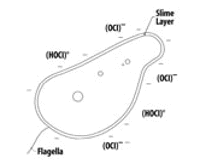
Figure 5: the neutral underchloric acid can better penetrate cell walls of pathogenic microorganisms that the negatively charged hypochlorite ion
The cell wall of pathogenic microorganisms is negatively charged by nature. As such, it can be penetrated by the neutral underchloric acid, rather than by the negatively charged hypochlorite ion. Underchloric acid can penetrate slime layers, cell walls and protective layers of microorganisms and effectively kills pathogens as a result. The microorganisms will either die or suffer from reproductive failure.
The effectivity of disinfection is determined by the pH of the water. disinfection with chlorine will take place optimally when the pH is between 5,5 and 7,5. underchloric acid (HOCl) reacts faster than hypochlorite ions (OCl-); it is 80-100% more effective. The level of underchloric acid will decrease when the pH value is higher. With a pH value of 6 the level of underchloric acid is 80%, whereass the concentration of hypochlorite ions is 20%. When the pH value is 8, this is the other way around.
When the pH value is 7,5, concentrations of underchloric acid and hypochlorite ions are equally high.
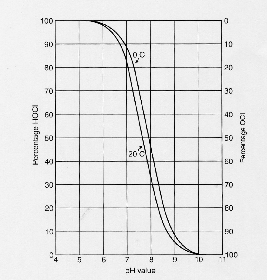
Underchloric acid (left) : hypochlorite ions (right)
What is free and bound active chlorine?
When chlorine is added to water for disinfection purposes, it usually starts reacting with dissolved organic and inorganic compounds in the water. Chlorine can no longer be used for disinfection after that, because is has formed other products. The amount of chlorine that is used during this process is referred to as the 'chlorine enquiry' of the water.
Chlorine can react with ammonia (NH3) to chloramines, chemical compounds which contain chlorine, nitrogen (N) and hydrogen (H). These compounds are referred to as 'active chlorine compounds' (contrary to underchloric acid and hypochlorite, which are referred to as 'free active chlorine') and are responsible for water disinfection. However, these compounds react much more slowly than free active chlorine.
What doses of chlorine does one apply?
When dosing chlorine one has to take into acount that chlorine reacts with compounds in the water. The dose has to be high enough for a significant amount of chlorine to remain in the water for disinfection. Chlorine enquiry is determined by the amount of organic matter in the water, the pH of the water, contact time and temperature. Chlorine reacts with organic matter to disinfection byporducts, such as trihalomethanes (THM) and halogenated acetic acids (HAA).
Chlorine can be added for disinfection in several different ways. When ordinary chlorination is apllied, the chlorine is simply added to the water and no prior treatment is necessary. Pre- and postchlorination means adding chlorine to water prior to and after other treatment steps. Rechlorination means the addition of chlorine to treated water in one or more points of the distribution system in order to preserve disinfection.
What is breakpoint chlorination?
Breakpoint chlorination consists of a continual addition of chlorine to the water upto the point where the chlorine enquiry is met and all present ammonia is oxidized, so that only free chlorine remains. This is usually applied for disinfection, but it also has other benefits, such as smell and taste control. In order to reach the breakpoint, a superchlorination is applied. To achieve this, one uses chlorine concentrations which largely exceed the 1 mg/L concentration required for disinfection.
Which chlorine concentration is applied?
Chlorine gas can be obtained as fluid gas in 10 bar pressure vessels. It is highly water soluble (3 L chlorine/ 1 L water). To kill bacteria little chlorine is required; about 0,2-0,4 mg/L. the concentrations of chlorine added to the water are usually higher, because of the chlorine enquiry of the water.
Nowadays chlorine gas is only used for large municipal and industrial water purification installations. For smaller applications one usually ads calcium or sodium hypochlorite.
Which factors determine the effectivity of chlorine disinfection?
Factors which determine chlorine disinfection effectivity:
Chlorine concentrations, contact time, temperature, pH, number and types of microorganisms, concentrations of organic matter in the water.
Table 1: disinfection time for several different types of pathogenic microorganisms with chlorinated water, containing a chlorine concentration of 1 mg/L (1 ppm) when pH = 7,5 and T = 25 °C
| Disinfection time of fecal pollutants with chlorinated water |
| E. coli 0157 H7 bacterium |
< 1 minute |
| Hepatitis A virus |
about 16 minutes |
| Giardia parasite |
about 45 minutes |
| Cryptosporidium |
about 9600 minutes (6,7 days) |
What are the health effects of chlorine?
The reaction of the human body to chlorine depends on the concentration of chlorine present in air, and on the duration and frequency of exposure. Effects also depend on the health of an individual and the environmental conditions during exposure.
When small amounts of chlorine are breathed in during short time periods, this can affect the respirational system. Effects vary from coughing and chest pains, to fluid accumulation in the lungs. Chlorine can also cause skin and eye irritations. These effects do not take place under natural conditions. When chlorine enters the body it is not very persistent, because of its reactivity.
Pure chlorine is very toxic, even small amounts can be deadly. During World War I chlorine gas was used on a large scale to hurt or kill enemy soldiers. The Germans were the first to use chlorine gas against their enemies.
Chlorine is much denser than air, causing it to form a toxic fume above the soil. Chlorine gas affects the mucous membrane (nose, throat, eyes). Chlorine is toxic to mucous membranes because it dissolves them, causing the chlorine gas to end up in the blood vessels. When chlorine gas is breathed in the lungs fill up with fluid, causing a person to sort of drown.
What is the legislation for chlorine?
EU:
The European drinking water guideline 98/83/EC does not contain guidelines for chlorine.
WHO (World Health Organisation):
The WHO drinking water standards state that 2-3 mg/L chlorine should be added to water in order to gain a satisfactory disinfection and residual concentration. The maximum amount of chlorine one can use is 5 mg/L. For a more effective disinfection the residual amount of free chlorine should exceed 0,5 mg/L after at least 30 minutes of contact time at a pH value of 8 or less. (WHO, Guidelines for drinking water quality. 3e editie)
USA:
The national drinking water standards state that the maximum residual amount of chlorine is 4 mg/L. Untill recently the USA used chlorine gas extensively for wastewater treatment. Today, the use of chlorine has been forced back. This was done mostly because of dangerous disinfection byproducts, such as trihalomethanes (THM).
However, chlorine still is the main disinfectant in the USA, because it is relatively cheap. The application of the Clean Air Act (CAA) Risk Management Plan (RMP) for the storage of toxic chemicals by EPA (june, 1999) and the re-registration of chlorine gas as a pesticide (EPA, 2001) have caused wastewater treatment plants to switch from chlorine gas to sodium hypochlorite more and more often. This is because companies do not want to make a risk management plan for chlorine gas, as this takes up a lot of their time and money.
More information on water disinfection?:
Introduction water disinfection Necessity water treatment History of drinking water treatment
What is water disinfection? Necessity of drinking water disinfection History of water disinfection Waterborne diseases Factors that influence disinfection Conditions of water disinfection Regulation drinking water disinfection EU USA
Swimming pool treatment Swimming pool pollutions Swimming pool disinfection Swimming pool disinfection & health
Cooling tower water Cooling tower water pollutions Cooling tower water disinfection Cooling tower water legislation
Chemical disinfectants Chlorine Sodium hypochlorite Chloramines Chlorine dioxide Copper silver ionization Hydrogen peroxide Bromine Peroxone Peracetic acid
Disinfection byproducts Types of disinfection byproducts Research on health effects of disinfection byproducts
Toxic ions hazard of irrigation water
 Chlorinator system Chlorinator system
|