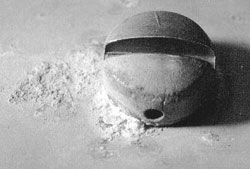

Corrosion in boilers
|
Corrosion is the reversion of a metal to its ore form. Iron, for example, reverts to iron oxide as the result of corrosion. The process of corrosion, however is a complex electro chemical reaction and it takes many forms. Corrosion may produce general attach over a large metal surface or it may result in pinpoint penetration of metal. Corrosion is a relevant problem caused by water in boilers. Corrosion can be of widely varying origin and nature due to the action of dissolved oxygen, to corrosion currents set up as a result of heterogeneities on metal surfaces, or to the iron being directly attacked by the water. |
|
| Corrosion is caused principally by complex oxide-slag with low melting points. High temperature corrosion can proceed only if the corroding deposit is in the liquid phase and the liquid is in direct contact with the metal. Deposits also promote the transport of oxygen to the metal surface. Corrosion in the boiler proper generally occurs when the boiler water alkalinity is low or when the metal is exposed to oxygen bearing water either during operation or idle periods. High temperatures and stresses in the boiler metal tend to accelerate the corrosive mechanisms. In the steam and condensate system corrosion is generally the result of contamination with carbon dioxide and oxygen. Specific contaminants such as ammonia or sulphur bearing gases may increase attack on copper alloys in the system. Corrosion is caused by the combination of oxide layer fluxing and continuous oxidation by transported oxygen. |
|
|
Deaeration and recently the use of membrane contractors are the best and most diffused ways to avoid corrosion removing the dissolved gasses (mainly O2 and CO2). For further information about the different types of corrosion check the following web pages:
Protection of steel in a boiler system depends on temperature, pH, and oxygen content. Generally, higher temperatures, high or low pH levels and higher oxygen concentrations increase steel corrosion rates. Mechanical and operation factors such as velocities, metal stresses, and severity of service can strongly influence corrosion rates. Systems vary in corrosion tendencies and should be evaluated individually. Find information about the other main problems occurring in boilers: scaling, foaming and priming. For a description of the characteristics of the perfect boiler water click here. Related topic: References |
|