

Use of water in food and agriculture
|
Food and agriculture are the largest consumers of water, requiring one hundred times more than we use for personal needs. Up to 70 % of the water we take from rivers and groundwater goes into irrigation, about 10% is used in domestic applications and 20% in industry. Currently, about 3600 km3 of freshwater are withdrawn for human use. Of these, roughly half is really consumed as a result of evaporation, incorporation into crops and transpiration from crops. The other half recharges groundwater or surface flows or is lost in unproductive evaporation. Up to 90% of the water withdrawn for domestic use is returned to rivers and aquifers as wastewater and industries typically consume only about 5% of the water they withdraw. This wastewater from domestic sewage systems and industries should be treated before being dismissed. Since the 1960s the global nutrition has considerably improved, providing more food per capita at progressively lower prices. This performance was possible through high-yielding seeds, irrigation and plant nutrition. As population keeps increasing more food and livestock feed need to be produced in the future and more water applied to this purpose. Irrigate agriculture will have to claim large quantities of water to produce the food required to feed the world. The main source of food for the population of the world is agriculture: this term also includes livestock husbandry, manages fisheries and forestry. The composition of meals changes gradually as lifestyles change. What agriculture produces is driven by consumer demand, and changes in consumer preferences have an influence on the water needed for food production. For vegetative growth and development plants require water in adequate quantity and at the right time. Crops have very specific water requirements, and these vary depending on local climate conditions. The production of meat requires between six and twenty time more water than for cereals. The following tables give an overview of the water consumption in food and agriculture.
| |||||||||||||||||||||||||||||||||||||||||||||||||||||||||||||||||||||||||||||||||||||||||||||||||||||||||||||||||||||||||||||||||||||||||||||||||||||||||||||||||||||||||||||||||||||||||||||||||||||||||||||||||||||||||||||||||||||||||||||||||||||||||||||||||||||||||||||||||||||||||||||||
|
| ||||||||||||||||||||||||||||||||||||||||||||||||||||||||||||||||||||||||||||||||||||||||||||||||||||||||||||||||||||||||||||||||||||||||||||||||||||||||||||||||||||||||||||||||||||||||||||||||||||||||||||||||||||||||||||||||||||||||||||||||||||||||||||||||||||||||||||||||||||||||||||||
|  | ||||||||||||||||||||||||||||||||||||||||||||||||||||||||||||||||||||||||||||||||||||||||||||||||||||||||||||||||||||||||||||||||||||||||||||||||||||||||||||||||||||||||||||||||||||||||||||||||||||||||||||||||||||||||||||||||||||||||||||||||||||||||||||||||||||||||||||||||||||||||||||||
|
|
The amount of water involved in agriculture is significant and most of it is provided directly by rainfall. A rough calculation of global water needs for food production can be based on the specific water requirements to produce food for one person. The present average food ingest 2800 kcal/person/day may require 1000 m3 per year to be produced. The world population is about 6 billion, so water needed to produce the necessary food, excluding water losses due to the irrigation system, is 6000 km3. Most of it is provided by rainfall stored in the soil profile and only 15% is provided through irrigation. Irrigation therefore needs 900 km3 of water per year for food crops. On average just about 40% of water withdrawn from rivers, lakes and aquifers for agriculture effectively contribute to crop production (the rest is lost through evaporation and deep infiltration). Consequently the current global water withdrawals for irrigation are estimated to be about 2000 to 2500 km3 per year. The irrigation level varies from area to area, mostly depending on climate conditions and on the development of irrigation infrastrure. The following figure shows the area equipped for irrigation as percentage of cultivated land by country.
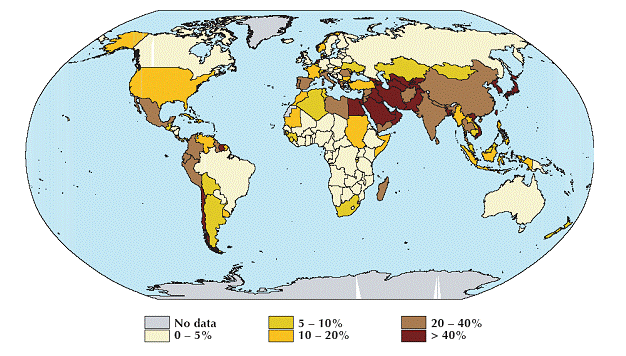
Irrigation-water management has a log way to adapt to the increasing production requirements, however water-saving technologies are already available and can significantly reduce the waste of water. If incentives are in place, as increasing the price of irrigation water, farmers will adopt water-saving irrigation technologies. The main technologies likely to be used in developing countries, where labour is normally abundant but capital scarce, are underground and drip irrigation. Both technologies depend on the frequent application of small amounts of water as directly as possible to the roots of crops. Reducing the pollution loads of water used by farms, industries and urban areas would enable much more of it to be re-used in irrigation. There are enormous potential benefits to be had from the use of wastewater for irrigation. Agriculture will remain the dominant user of water at the global level. In many countries, in particular those situated in the arid and semi-arid regions of the world, this dependency can be expected to intensify. The contribution of irrigated agriculture to food production is substantial but in future the rate of growth will be lower than in the past. Both irrigated and non-irrigated agriculture still have scope for increasing productivity, including water productivity. Arguably, the expansion of irrigated agriculture protected people on the nutritional fringe from premature death, and preserved tracts of land under forest and wetlands from encroachment by hard-pressed farmers. However, pressures to encroach on such lands persist. Sources:
In need of some dietary advise? Check out our new vitamin and mineral pages! | |||||||||||||||||||||||||||||||||||||||||||||||||||||||||||||||||||||||||||||||||||||||||||||||||||||||||||||||||||||||||||||||||||||||||||||||||||||||||||||||||||||||||||||||||||||||||||||||||||||||||||||||||||||||||||||||||||||||||||||||||||||||||||||||||||||||||||||||||||||||||||||||
