Aeration in wastewater treatment
Oxygen transfer and mixing in wastewater treatment
Aeration transfers oxygen from air into wastewater and can also provide mixing. In aerobic biological treatment, microorganisms use oxygen as they break down biodegradable organic matter. Where nitrification is required, oxygen is also used by microorganisms that convert ammonia to nitrite and nitrate.
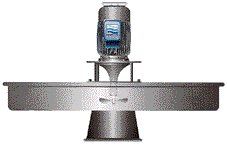
Aeration equipment may be fixed to a tank or pond structure or installed as a floating unit. Lenntech’s page describes turbine aerators for wastewater ponds and treatment plants.
What determines aeration requirements?
Oxygen demand and transfer performance depend on the wastewater and the treatment process. Important design inputs include the biodegradable organic and ammonia loads, treatment targets, basin dimensions and depth, mixing requirements, water temperature and wastewater characteristics. Oxygen-transfer ratings measured in clean water should not be treated as the oxygen-transfer rate in process wastewater; actual performance is affected by operating conditions and wastewater properties.
For this reason, a fixed rule relating motor power to oxygen supplied is not a reliable general sizing method. Aerator selection should be based on the process design and equipment performance data for the intended application.
Further reading
- US EPA: Control of the aeration process in activated sludge treatment
- Ontario: Biological treatment and secondary sedimentation — Design Guidelines for Sewage Works